


가격: 요청 시
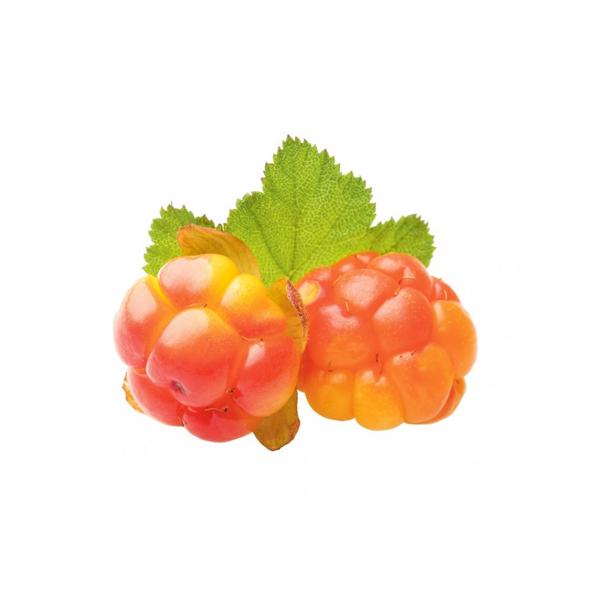
Cloudberries (Rubus chamaemorus), often referred to as the "Arctic gold," are a rare and prized fruit that has captured the attention of the global food industry. These amber-colored berries, native to circumpolar boreal forests and arctic tundra, possess a unique flavor profile and exceptional nutritional value. In recent years, the cloudberry wholesale market has experienced significant growth, driven by increasing consumer demand for exotic and health-promoting foods.
Supply Chain Dynamics in Cloudberry Wholesale
The cloudberry supply chain presents unique challenges and opportunities for wholesale operators. Unlike conventional berries, cloudberries have a limited growing season and are predominantly wild-harvested, factors that significantly impact their availability and pricing.
Harvesting and Collection
Cloudberry harvesting typically occurs between July and August, with exact timing varying based on regional climate conditions. The short harvesting window necessitates efficient collection strategies:
-
Local Partnerships: Establishing relationships with indigenous communities and local harvesters is crucial for securing a reliable supply.
-
Technological Integration: Implementation of GPS tracking and mobile apps to optimize harvesting routes and monitor yield in real-time.
-
Sustainable Practices: Encouraging responsible harvesting techniques to ensure long-term viability of cloudberry populations.
Storage and Transportation
The delicate nature of cloudberries requires specialized handling throughout the supply chain:
-
Cold Chain Management: Immediate cooling post-harvest, typically to temperatures between 0°C and 4°C, is essential for preserving quality.
-
Modified Atmosphere Packaging (MAP): Utilization of MAP technology to extend shelf life during transportation.
-
Intermodal Transport Solutions: Combining air, sea, and land transportation to optimize speed and cost-efficiency in global distribution.
Market Trends and Demand Analysis
The cloudberry wholesale market is experiencing dynamic shifts, influenced by evolving consumer preferences and global economic factors.
Consumer Demand Drivers
-
Health Consciousness: Increasing awareness of cloudberries' high vitamin C and omega-3 fatty acid content.
-
Culinary Experimentation: Growing interest in unique flavors among chefs and food enthusiasts.
-
Clean Label Movement: Demand for natural, minimally processed ingredients in food products.
Market Segmentation
-
Fresh Cloudberries: Premium segment with highest profit margins but shortest shelf life.
-
Frozen Cloudberries: Largest market share, offering year-round availability.
-
Processed Products: Including jams, purees, and concentrates, catering to food manufacturing sector.
Regional Market Analysis
-
Nordic Countries: Traditional stronghold, with Finland and Norway leading in production and consumption.
-
North America: Emerging market with growing demand, particularly in gourmet and health food sectors.
-
Asia-Pacific: Rapid growth potential, driven by increasing disposable incomes and Western food influence.
Quality Control Processes in Cloudberry Wholesale
Maintaining consistent quality is paramount in the cloudberry wholesale industry, given the fruit's premium positioning and perishable nature.
Pre-Harvest Quality Measures
-
Environmental Monitoring: Tracking climate conditions to predict optimal harvest times.
-
Soil Analysis: Regular testing to ensure ideal growing conditions for wild cloudberry patches.
Post-Harvest Quality Control
-
Visual Inspection: Sorting based on color, size, and absence of defects.
-
Brix Testing: Measuring sugar content to ensure flavor consistency.
-
Microbial Analysis: Regular testing for foodborne pathogens and spoilage organisms.
Quality Assurance in Processing
-
HACCP Implementation: Hazard analysis and critical control points to ensure food safety throughout processing.
-
Traceability Systems: Batch coding and digital tracking for rapid recall capability if needed.
Navigating International Trade Regulations
The global nature of cloudberry wholesale necessitates a thorough understanding of international trade regulations.
Import/Export Documentation
-
Phytosanitary Certificates: Required for fresh cloudberries to certify freedom from pests and diseases.
-
Certificate of Origin: Documenting the source country, crucial for tariff determinations.
Tariffs and Trade Agreements
-
EU Regulations: Preferential treatment for cloudberries originating from Nordic countries.
-
CPTPP Impact: Potential for reduced tariffs on cloudberry products in Asia-Pacific markets.
Food Safety Compliance
-
FSMA Compliance: Meeting U.S. Food Safety Modernization Act standards for imported foods.
-
EU Novel Food Regulation: Considerations for processed cloudberry products entering European markets.
Technological Advancements in Cloudberry Industry
Innovation plays a crucial role in addressing the unique challenges of cloudberry cultivation and processing.
Cultivation Technologies
-
Micropropagation: In-vitro techniques for producing genetically identical cloudberry plants.
-
Controlled Environment Agriculture: Experimental greenhouse cultivation to extend growing seasons.
Processing Innovations
-
Freeze-Drying Advancements: Preserving nutritional content and flavor while extending shelf life.
-
High-Pressure Processing (HPP): Non-thermal preservation technique maintaining fresh-like qualities.
-
Nanotechnology in Packaging: Developing smart packaging solutions to monitor freshness and extend shelf life.
Digital Integration in Wholesale Operations
-
Blockchain for Traceability: Enhancing transparency and trust in the supply chain.
-
AI-Powered Demand Forecasting: Optimizing inventory management and reducing waste.
Future Outlook and Industry Challenges
The cloudberry wholesale industry stands at a crossroads of opportunity and challenge.
Growth Opportunities
-
Functional Food Market: Potential for cloudberry-based nutraceuticals and functional beverages.
-
Sustainable Harvesting Certifications: Developing standards to premium-price environmentally responsible practices.
-
Agritourism: Integrating cloudberry harvesting experiences into Arctic tourism offerings.
Challenges on the Horizon
-
Climate Change Impact: Shifting growing zones and unpredictable weather patterns affecting yields.
-
Overharvesting Risks: Balancing increasing demand with sustainable wild harvesting practices.
-
Market Volatility: Managing price fluctuations due to yield variability and changing global demand.
Conclusion: Navigating the Future of Cloudberry Wholesale
The cloudberry wholesale industry presents a unique intersection of traditional harvesting practices and modern market demands. As the sector evolves, success will hinge on balancing technological innovation with sustainable practices, navigating complex international regulations, and meeting the sophisticated needs of a diverse global clientele. For wholesalers, processors, and retailers in the food industry, cloudberries represent not just a product, but an opportunity to participate in a market that values rarity, quality, and sustainability. The future of cloudberry wholesale lies in the hands of those who can adeptly manage its complexities while capitalizing on its undeniable allure in the global marketplace.
