


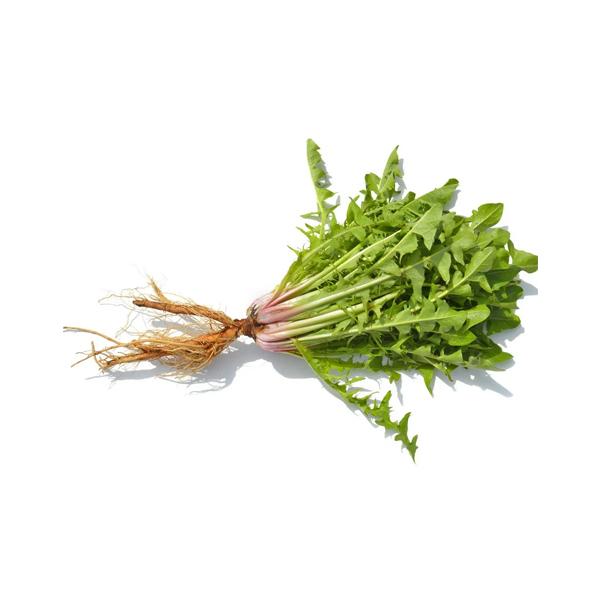
가격: 요청 시
Once considered a mere lawn nuisance, dandelion (Taraxacum officinale) has emerged as a powerhouse in the herbal supplement industry. The root of this ubiquitous plant, in particular, has garnered significant attention in recent years. As demand for natural health solutions continues to surge, the dandelion root wholesale market has experienced unprecedented growth.
This technical article delves into the intricacies of the dandelion root wholesale industry, exploring everything from market trends to processing techniques. Whether you're a herbal supplement manufacturer, health food retailer, or pharmaceutical company, understanding the dynamics of this burgeoning market is crucial for staying competitive in the wellness industry.
Current Market Trends and Demand
The dandelion root wholesale market is experiencing a remarkable upswing, driven by several key factors:
Growing Consumer Awareness
As consumers become more health-conscious and seek natural alternatives to traditional medicine, dandelion root has gained popularity for its potential health benefits. This increased awareness has led to a surge in demand for dandelion root-based products.
Expanding Applications
Dandelion root is no longer confined to traditional herbal teas. Its applications have expanded to include:
-
Dietary supplements
-
Functional foods and beverages
-
Skincare products
-
Herbal medicines
This diversification has opened up new avenues for wholesalers and manufacturers alike.
Shift Towards Organic and Sustainable Products
There's a growing preference for organic dandelion root among consumers and manufacturers. This trend has led to an increase in organic dandelion root cultivation and a premium price point for certified organic products.
Global Market Expansion
While North America and Europe remain the largest markets for dandelion root, there's significant growth potential in Asia-Pacific regions, particularly in countries with a strong tradition of herbal medicine.
Processing Techniques for Wholesale Dandelion Root
The quality of wholesale dandelion root largely depends on the processing techniques employed. Here's an overview of the standard processing steps:
Harvesting
Timing is crucial when harvesting dandelion roots. The optimal harvesting period is typically in late fall or early spring when the plant's energy is concentrated in the roots.
Cleaning
Post-harvest, roots undergo thorough cleaning to remove soil and debris. This process often involves mechanical washing systems designed for root vegetables.
Drying
Proper drying is critical to preserve the root's active compounds and prevent mold growth. Two primary methods are used:
-
Air Drying: Roots are spread out in a well-ventilated area and dried naturally. This method is often used for smaller batches or organic production.
-
Mechanical Drying: Large-scale operations use industrial dryers that control temperature and humidity for consistent results.
Cutting and Grinding
Dried roots are cut into smaller pieces or ground into a powder, depending on the end-product requirements. Cutting is often done with industrial herb cutters, while grinding uses specialized herb grinders that minimize heat generation to preserve active compounds.
Packaging and Storage
Processed dandelion root is packaged in moisture-proof, airtight containers to maintain freshness. Proper storage in cool, dry conditions is essential to preserve quality.
Quality Standards and Certification in the Industry
Maintaining high-quality standards is paramount in the dandelion root wholesale industry. Several certifications and standards play a crucial role:
Good Agricultural and Collection Practices (GACP)
GACP guidelines ensure that herbs are cultivated and collected in a way that maintains their quality and minimizes contamination risks.
Good Manufacturing Practices (GMP)
GMP certification is essential for processing facilities, ensuring that products are consistently produced and controlled according to quality standards.
Organic Certification
For organic dandelion root, certification from recognized bodies like USDA Organic or EU Organic is crucial. This involves strict adherence to organic farming practices and processing methods.
Laboratory Testing
Quality control involves rigorous testing for:
-
Microbial contamination
-
Heavy metals
-
Pesticide residues
-
Active compound content (e.g., inulin levels)
Sustainability Certifications
With growing emphasis on sustainable practices, certifications like Fair Wild for wild-collected dandelion root are gaining importance.
Supply Chain Logistics: From Farm to Manufacturer
Efficient supply chain management is critical in the dandelion root wholesale industry. Key aspects include:
Sourcing
Wholesalers must establish reliable relationships with farmers or wild-crafters. Factors to consider include:
-
Geographical location (soil quality, climate)
-
Cultivation practices
-
Harvesting methods
Transportation
Proper transportation is crucial to maintain root quality. This involves:
-
Temperature-controlled vehicles for fresh roots
-
Moisture-proof packaging for dried roots
-
Efficient routing to minimize transit time
Inventory Management
Given the seasonal nature of dandelion root harvesting, effective inventory management is essential. This includes:
-
Forecasting demand
-
Maintaining optimal stock levels
-
Implementing first-in-first-out (FIFO) systems
Traceability
Implementing a robust traceability system allows wholesalers to track each batch of dandelion root from farm to end-user. This is crucial for quality control and addressing any potential issues.
Health Benefits Driving Market Growth
The numerous potential health benefits of dandelion root are a significant driver of market growth. Key areas of interest include:
Digestive Health
Dandelion root is rich in inulin, a prebiotic fiber that supports gut health. It's also traditionally used as a mild laxative and to stimulate appetite.
Liver Support
Some studies suggest that dandelion root may help support liver function and promote detoxification processes in the body.
Anti-inflammatory Properties
Dandelion root contains various compounds with potential anti-inflammatory effects, which may benefit conditions characterized by inflammation.
Potential Anti-cancer Properties
While research is still in early stages, some studies indicate that dandelion root extract may have anti-cancer properties, particularly against certain types of leukemia cells.
Blood Sugar Regulation
Some research suggests that dandelion root may help regulate blood sugar levels, making it of interest in diabetes management.
These potential health benefits have not only increased consumer demand but have also sparked interest from pharmaceutical companies for further research and development.
Future Outlook for Dandelion Root Wholesale
The future of the dandelion root wholesale market looks promising, with several trends shaping its trajectory:
Increased Research and Development
As interest in dandelion root's health benefits grows, we can expect increased investment in research. This could lead to new applications and potentially more standardized extracts for specific health conditions.
Technological Advancements
Innovations in cultivation, harvesting, and processing technologies are likely to improve yield and quality while reducing costs. This could include developments in vertical farming for year-round production and advanced extraction methods to isolate specific compounds.
Sustainable Practices
With growing environmental concerns, the industry is likely to see a shift towards more sustainable practices. This could involve regenerative agriculture techniques for cultivation and eco-friendly processing methods.
Regulatory Changes
As the market grows, we may see more stringent regulations regarding quality control and health claims. This could lead to standardization of dandelion root products and potentially open up new markets.
Product Diversification
The versatility of dandelion root suggests potential for further product diversification. We might see more functional foods, beverages, and even cosmetic products incorporating dandelion root extracts.
In conclusion, the dandelion root wholesale market stands at the intersection of traditional herbal wisdom and modern health trends. For industry professionals, staying informed about these developments and maintaining high-quality standards will be key to capitalizing on this growing market. As we continue to uncover the potential of this humble plant, dandelion root is poised to play an increasingly significant role in the global wellness industry.
