


가격: 요청 시
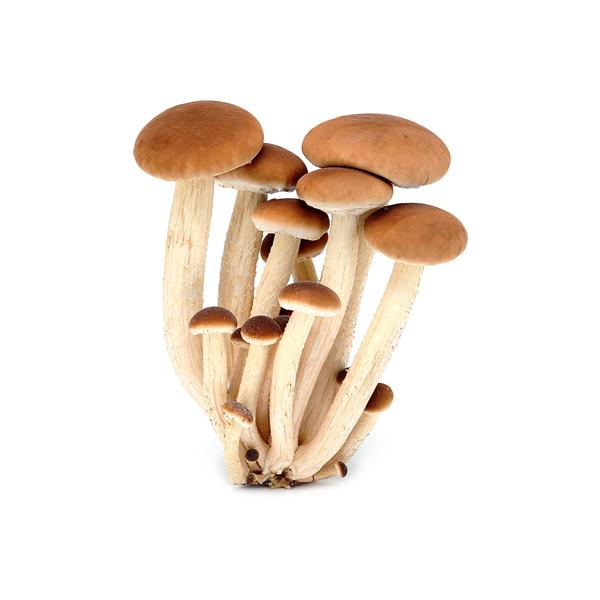
Honey mushrooms, scientifically known as Armillaria mellea, have emerged as a prized commodity in the gourmet mushroom market. These clusters of golden-hued fungi, revered for their distinctive flavor profile and nutritional benefits, have carved out a significant niche in the wholesale sector. As demand for specialty mushrooms continues to surge, understanding the intricacies of the honey mushroom wholesale market has become crucial for industry players.
The honey mushroom wholesale market is characterized by its dynamic nature, influenced by factors such as seasonal availability, culinary trends, and increasing consumer awareness of exotic mushroom varieties. For distributors, commercial growers, and food industry professionals, navigating this market requires a deep understanding of both the product and the evolving landscape of fungiculture commerce.
Current Market Trends in Honey Mushroom Industry
The honey mushroom industry is experiencing a renaissance, driven by several key trends:
-
Rising Demand for Gourmet Mushrooms: As culinary exploration becomes more mainstream, chefs and home cooks alike are seeking out unique ingredients like honey mushrooms to elevate their dishes.
-
Health and Wellness Focus: The nutritional profile of honey mushrooms, rich in antioxidants and immune-boosting compounds, aligns well with the growing consumer interest in functional foods.
-
Sustainable Sourcing: There's an increasing emphasis on sustainably harvested wild mushrooms and environmentally friendly cultivation practices, appealing to eco-conscious consumers.
-
Value-Added Products: Innovative products such as honey mushroom powders, extracts, and ready-to-use preparations are expanding market opportunities beyond fresh produce.
-
Direct-to-Consumer Channels: Online platforms and farmers' markets are opening new avenues for smaller producers to enter the wholesale market, challenging traditional distribution models.
These trends are reshaping the honey mushroom wholesale landscape, creating both opportunities and challenges for industry stakeholders. Staying attuned to these market dynamics is essential for maintaining a competitive edge in this rapidly evolving sector.
Advanced Cultivation Techniques for Commercial Growers
Successful commercial cultivation of honey mushrooms requires a blend of traditional knowledge and cutting-edge techniques. Here are some advanced methods that are revolutionizing honey mushroom production:
Substrate Optimization
The choice and preparation of substrate significantly impact yield and quality. Advanced growers are experimenting with:
-
Hardwood Blends: Customized mixtures of oak, maple, and beech sawdust to mimic the natural habitat of honey mushrooms.
-
Supplementation: Adding nitrogen-rich supplements like bran or soybean meal to enhance mycelial growth and fruiting body formation.
Climate Control Systems
Precise environmental management is crucial for consistent production:
-
IoT-Enabled Monitoring: Implementing sensors and automated systems to maintain optimal temperature, humidity, and CO2 levels.
-
Cyclical Lighting: Utilizing programmable LED systems to simulate natural light cycles and trigger fruiting.
Mycelium Expansion Techniques
Maximizing mycelial growth is key to robust mushroom production:
-
Liquid Culture Inoculation: Using liquid mycelium cultures for faster and more uniform colonization of substrates.
-
Layered Cultivation: Employing a stratified approach to substrate preparation, alternating layers of mycelium and fresh substrate to accelerate colonization.
Harvest Automation
Innovative harvesting methods are improving efficiency and product quality:
-
Robotic Picking Systems: Implementing vision-guided robots for precise and gentle harvesting of mushroom clusters.
-
Conveyor Systems: Installing automated conveyor belts to transport harvested mushrooms directly to processing areas, minimizing handling and potential damage.
By adopting these advanced cultivation techniques, commercial growers can significantly enhance their production capacity, consistency, and product quality, positioning themselves favorably in the competitive honey mushroom wholesale market.
Implementing Robust Quality Control Measures
In the honey mushroom wholesale industry, maintaining consistently high quality is paramount to success. Implementing a comprehensive quality control (QC) system ensures that products meet or exceed market standards, fostering trust with buyers and end consumers.
Standardized Grading Systems
Developing and adhering to a standardized grading system is crucial for quality assurance:
-
Visual Inspection: Train QC personnel to identify optimal color, size, and cluster formation.
-
Texture Analysis: Implement tactile tests to ensure proper firmness and freshness.
-
Defect Categorization: Establish clear criteria for categorizing and sorting mushrooms based on minor imperfections or damage.
Microbial Testing Protocols
Ensuring food safety is non-negotiable in mushroom wholesale:
-
Regular Sampling: Conduct routine microbial tests to check for potential contaminants like Listeria or E. coli.
-
ATP Testing: Utilize ATP bioluminescence testing for rapid hygiene monitoring of processing surfaces and equipment.
Chemical Analysis
Periodic chemical analysis helps maintain nutritional consistency and detect any unwanted substances:
-
Nutrient Profiling: Regularly test for protein content, vitamin D levels, and other key nutritional components.
-
Residue Screening: Implement tests to detect any pesticide residues or heavy metals, especially for wild-harvested mushrooms.
Traceability Systems
Implementing robust traceability measures is essential for quality control and recall management:
-
Batch Coding: Assign unique identifiers to each batch of mushrooms, tracking them from cultivation to packaging.
-
Digital Ledgers: Utilize blockchain or similar technologies to create an immutable record of the mushroom's journey through the supply chain.
Sensory Evaluation
Incorporate regular sensory assessments to ensure consistency in flavor and aroma:
-
Trained Panels: Establish a team of trained tasters to evaluate samples from each batch.
-
Flavor Profiling: Develop a standardized flavor profile chart to maintain consistency across harvests.
By implementing these quality control measures, honey mushroom wholesalers can ensure that their products consistently meet the high standards expected by discerning buyers in the gourmet food industry.
Optimizing Supply Chain Management for Honey Mushrooms
Effective supply chain management is critical in the honey mushroom wholesale industry, where product freshness and quality can deteriorate rapidly. Optimizing each stage of the supply chain ensures that mushrooms reach customers in prime condition while maximizing operational efficiency.
Harvest Planning and Forecasting
Accurate forecasting is the foundation of an efficient supply chain:
-
Demand Prediction Models: Utilize AI-driven analytics to predict market demand based on historical data, seasonal trends, and current market indicators.
-
Just-in-Time Harvesting: Synchronize harvesting schedules with projected orders to minimize storage time and maintain peak freshness.
Cold Chain Management
Maintaining an unbroken cold chain is crucial for preserving mushroom quality:
-
Temperature Monitoring: Implement IoT-enabled sensors throughout the supply chain to ensure consistent temperature control.
-
Packaging Innovations: Utilize breathable, moisture-regulating packaging materials that extend shelf life while allowing for proper gas exchange.
Transportation Logistics
Optimizing transportation can significantly impact product quality and cost-effectiveness:
-
Route Optimization: Employ advanced logistics software to determine the most efficient delivery routes, considering factors like temperature zones and delivery time windows.
-
Multi-Modal Transport: Strategically combine air, road, and rail transportation to balance speed and cost-effectiveness, especially for long-distance shipments.
Inventory Management
Efficient inventory management is key to reducing waste and ensuring product availability:
-
Real-Time Tracking: Implement RFID or similar technologies for real-time inventory visibility across the supply chain.
-
Dynamic Allocation: Use AI-powered systems to dynamically allocate inventory based on real-time demand and shelf-life predictions.
Collaborative Platforms
Fostering collaboration among supply chain partners enhances overall efficiency:
-
Cloud-Based Information Sharing: Implement shared platforms where growers, distributors, and retailers can access real-time data on inventory levels, quality metrics, and market demand.
-
Blockchain Integration: Utilize blockchain technology to create transparent, tamper-proof records of transactions and product movements throughout the supply chain.
By optimizing these aspects of supply chain management, honey mushroom wholesalers can ensure that their products reach customers in optimal condition, minimize waste, and maintain a competitive edge in the market.
Economic Impact of Honey Mushroom Wholesale Trade
The honey mushroom wholesale trade has emerged as a significant contributor to the specialty food economy, with far-reaching impacts on various sectors. Understanding these economic implications is crucial for industry stakeholders and policymakers alike.
Market Size and Growth
The honey mushroom wholesale market has experienced substantial growth in recent years:
-
Global Market Value: As of 2023, the global specialty mushroom market, including honey mushrooms, is estimated to be worth over $50 billion, with projections indicating continued growth.
-
Regional Variations: North America and Europe lead in consumption, while Asia-Pacific regions are emerging as key production hubs.
Employment Generation
The industry has become a notable source of employment across various skill levels:
-
Direct Employment: Commercial cultivation, harvesting, and processing of honey mushrooms create jobs in rural and semi-urban areas.
-
Indirect Employment: The industry supports roles in logistics, packaging, marketing, and retail sectors.
Agricultural Diversification
Honey mushroom cultivation offers farmers an opportunity to diversify their income streams:
-
Crop Rotation: Integration of mushroom cultivation into traditional farming practices can improve land use efficiency and soil health.
-
Value Addition: Farmers can increase their revenue by processing and packaging mushrooms, moving up the value chain.
Export Opportunities
The international demand for gourmet mushrooms has opened new export avenues:
-
Foreign Exchange Earnings: Countries with favorable growing conditions for honey mushrooms can tap into lucrative export markets.
-
Trade Balance: For some regions, specialty mushroom exports contribute significantly to agricultural trade balances.
Innovation and Research
The growing industry has spurred investment in research and development:
-
Biotechnology Advancements: Research into mushroom genetics and cultivation techniques drives innovation in the broader agricultural biotechnology sector.
-
Equipment Manufacturing: The demand for specialized cultivation and processing equipment stimulates growth in the agricultural technology industry.
Environmental Economics
The sustainability aspect of mushroom cultivation has positive environmental and economic implications:
-
Waste Utilization: The industry's ability to utilize agricultural waste as substrate contributes to circular economy initiatives.
-
Carbon Sequestration: Mushroom cultivation can play a role in carbon sequestration efforts, potentially opening avenues for carbon credit markets.
Local Economic Development
The honey mushroom trade can be a catalyst for local economic growth:
-
Agritourism: Mushroom farms and processing facilities can become attractions, boosting local tourism and hospitality sectors.
-
Culinary Industry Support: The availability of gourmet mushrooms supports the growth of local restaurants and food processing businesses.
Understanding these economic impacts highlights the significance of the honey mushroom wholesale trade beyond mere market transactions. It underscores the industry's role in job creation, agricultural innovation, and sustainable economic development.
Future Outlook and Opportunities in the Industry
As the honey mushroom wholesale industry continues to evolve, several emerging trends and opportunities are shaping its future trajectory. Industry players who anticipate and adapt to these developments will be well-positioned for success in the coming years.
Technological Integration
The integration of advanced technologies is set to revolutionize the industry:
-
AI-Driven Cultivation: Machine learning algorithms will optimize growing conditions, predicting ideal harvest times and detecting potential issues before they escalate.
-
Automated Processing: Robotic systems for sorting, packaging, and quality control will increase efficiency and consistency in post-harvest handling.
Sustainable Practices
Sustainability will become increasingly central to industry operations:
-
Circular Economy Models: Development of closed-loop systems where cultivation byproducts are repurposed, minimizing waste and environmental impact.
-
Energy-Efficient Facilities: Implementation of renewable energy sources and energy-efficient designs in cultivation facilities to reduce carbon footprint.
Product Diversification
Expanding product lines will open new market segments:
-
Functional Foods: Development of honey mushroom-based supplements and nutraceuticals targeting specific health benefits.
-
Culinary Innovations: Collaboration with food scientists to create novel honey mushroom-derived ingredients for the food industry.
Market Expansion
Geographic and demographic expansion will drive growth:
-
Emerging Markets: Increasing penetration into developing economies as awareness of gourmet mushrooms grows.
-
E-commerce Integration: Direct-to-consumer models leveraging online platforms to reach new customer segments.
Regulatory Landscape
Evolving regulations will shape industry practices:
-
Food Safety Standards: Stricter regulations on cultivation, processing, and transportation will necessitate advanced traceability and quality control measures.
-
Organic Certification: Growing demand for certified organic honey mushrooms will create premium market opportunities.
Research and Development
Continued investment in R&D will unlock new potentials:
-
Genetic Research: Advancements in mushroom genetics could lead to varieties with enhanced flavor profiles, nutritional content, or cultivation efficiency.
-
Medicinal Applications: Exploration of honey mushrooms' potential medicinal properties could open new markets in the pharmaceutical and wellness industries.
Climate Adaptation
Strategies to mitigate climate change impacts will be crucial:
-
Resilient Strains: Development of honey mushroom varieties adaptable to changing climate conditions.
-
Indoor Vertical Farming: Expansion of climate-controlled indoor cultivation to ensure year-round production regardless of external weather conditions.
Collaborative Ecosystems
Industry partnerships will foster innovation and market stability:
-
Grower Cooperatives: Formation of cooperatives to strengthen market position and share resources among smaller producers.
-
Cross-Industry Collaborations: Partnerships with sectors like biotechnology, packaging, and logistics to drive innovation and efficiency.
The future of the honey mushroom wholesale industry is bright, with abundant opportunities for growth and innovation. By embracing technological advancements, sustainability practices, and market diversification, industry stakeholders can navigate the evolving landscape and capitalize on emerging trends. As consumer interest in gourmet and functional foods continues to rise, honey mushrooms are poised to play an increasingly significant role in the global food market.
