


가격: 요청 시
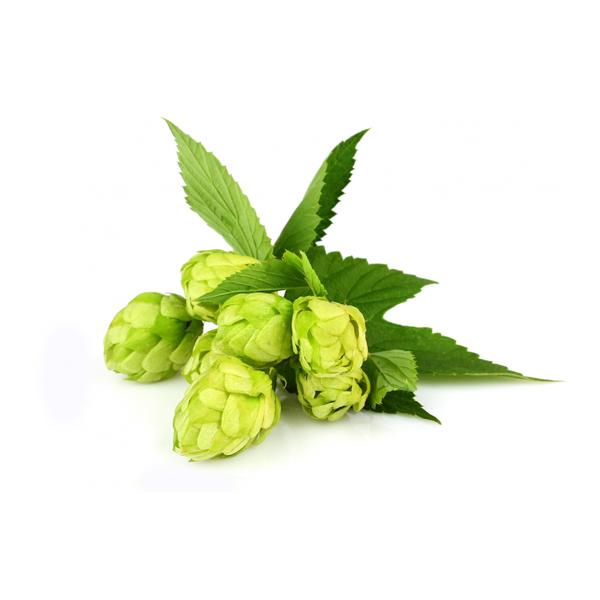
Hops, the green gold of the brewing industry, have a journey that begins long before they reach the brewhouse. The production of hops is a meticulous process that requires expertise, patience, and a deep understanding of agricultural science.
Cultivation Techniques
The journey begins with the selection of hop rhizomes or seedlings. Hop farmers carefully choose varieties based on factors such as climate suitability, disease resistance, and market demand. The plants are typically grown on a trellis system, with strings or wires extending 18-20 feet high.
Hops require specific growing conditions:
-
Soil: Well-drained, fertile soil with a pH between 6.0 and 6.5
-
Sunlight: At least 6-8 hours of direct sunlight daily
-
Water: Regular irrigation, especially during cone development
Farmers must navigate challenges such as downy mildew, powdery mildew, and various pests. Integrated Pest Management (IPM) strategies are increasingly employed to minimize chemical interventions while maintaining crop health.
Harvesting and Processing
The harvesting process is a critical juncture in hop production. Timing is everything – hops must be harvested when the lupulin glands are at their peak, typically in late August to early September in the Northern Hemisphere.
Modern harvesting techniques include:
-
Mechanical Harvesting: Large machines strip cones from bines
-
Hand Harvesting: Still practiced for small-scale or specialty crops
Post-harvest processing is equally crucial:
-
Drying: Reduces moisture content from about 80% to 8-10%
-
Conditioning: Allows moisture to redistribute evenly
-
Baling: Compresses hops for storage and transport
Quality Control: Ensuring Premium Hops
In the competitive world of craft brewing, quality is paramount. Hop wholesalers employ rigorous quality control measures to ensure their products meet the exacting standards of brewers worldwide.
Laboratory Analysis
State-of-the-art laboratories conduct comprehensive tests on hop samples:
-
Alpha and Beta Acid Content: Determines bittering potential
-
Essential Oil Profile: Analyzes aromatic compounds
-
Moisture Content: Ensures proper drying and storage conditions
Sensory Evaluation
Beyond the numbers, experienced hop specialists conduct sensory evaluations:
-
Visual Inspection: Assesses cone integrity and color
-
Aroma Assessment: Identifies characteristic and off-aromas
-
Rubbing Test: Releases volatile compounds for evaluation
Lot Traceability
Modern hop wholesalers implement sophisticated traceability systems:
-
Unique Lot Numbers: Allow tracking from field to brewery
-
Digital Records: Maintain detailed information on growing conditions, processing, and test results
This level of traceability not only ensures quality but also provides brewers with valuable information for recipe development and consistency.
The Dynamic Hops Market: Trends and Challenges
The hops market is a dynamic ecosystem influenced by various factors, from changing consumer preferences to global economic conditions.
Craft Beer Revolution
The explosion of craft brewing has significantly impacted the hops industry:
-
Increased Demand: For both bittering and aroma hops
-
Variety Diversification: Brewers seeking unique flavor profiles
-
Price Fluctuations: Supply struggling to keep pace with demand
Sustainability Initiatives
Environmental concerns are reshaping the industry:
-
Water Conservation: Implementing efficient irrigation systems
-
Organic Cultivation: Growing demand for certified organic hops
-
Carbon Footprint Reduction: Exploring local sourcing options
Market Volatility
Several factors contribute to market instability:
-
Weather Dependencies: Crop yields affected by climate conditions
-
Currency Fluctuations: Impacting international trade
-
Changing Consumer Preferences: Shifting demand for specific varieties
Supply Chain Management in Hops Wholesale
Efficient supply chain management is crucial in preserving hop quality from field to brewery.
Cold Chain Logistics
Temperature control is vital throughout the supply chain:
-
Refrigerated Storage: Maintains hop quality post-processing
-
Climate-Controlled Transportation: Prevents degradation during shipping
-
Last-Mile Delivery: Ensures hops arrive at breweries in optimal condition
Inventory Management
Balancing supply and demand requires sophisticated inventory systems:
-
Just-in-Time Delivery: Minimizes storage time at wholesaler facilities
-
Forecasting Tools: Predict demand based on historical data and market trends
-
Buffer Stock: Maintains reserves to handle unexpected demand spikes
International Trade Considerations
Global hop trade presents unique challenges:
-
Import/Export Regulations: Navigating complex international trade laws
-
Phytosanitary Certificates: Ensuring compliance with plant health regulations
-
Customs Clearance: Streamlining processes to prevent delays
Hop Varieties: A Spectrum of Flavors and Aromas
The world of hops is rich with diversity, offering brewers a palette of flavors and aromas to craft their perfect beer.
Traditional Varieties
These time-tested hops form the backbone of many classic beer styles:
-
Saaz: Spicy, earthy; essential for Czech Pilsners
-
East Kent Goldings: Smooth, subtle; popular in English ales
-
Hallertau Mittelfrüh: Mild, floral; widely used in German lagers
New World Varieties
Developed to meet evolving brewer demands:
-
Citra: Intense citrus and tropical fruit notes
-
Mosaic: Complex blend of floral, tropical, and earthy characteristics
-
Galaxy: Passionate fruit and citrus aromas
Experimental Cultivars
The frontier of hop breeding, offering unique profiles:
-
HBC 472: Distinct coconut aroma
-
Sabro: Complex bouquet of tangerine, coconut, tropical fruit, and stone fruit
Technological Innovations in Hops Wholesale
Technology is revolutionizing every aspect of the hops industry, from cultivation to distribution.
Precision Agriculture
Cutting-edge farming techniques enhance yield and quality:
-
Drone Monitoring: Assesses plant health and identifies issues early
-
IoT Sensors: Provide real-time data on soil moisture, temperature, and nutrient levels
-
AI-Driven Irrigation: Optimizes water usage based on plant needs
Advanced Processing Technologies
Innovations in hop processing preserve and enhance desirable characteristics:
-
Cryogenic Processing: Preserves delicate aromatic compounds
-
Supercritical CO2 Extraction: Produces concentrated hop extracts
-
Isomerized Hop Products: Pre-isomerized alpha acids for consistent bittering
Blockchain in Supply Chain
Emerging technology enhances transparency and traceability:
-
Smart Contracts: Automate transactions between growers, wholesalers, and brewers
-
Product Authentication: Verifies the origin and journey of hop lots
-
Real-Time Tracking: Provides instant updates on shipment location and conditions
The Future of Hops Wholesale: Challenges and Opportunities
As the industry evolves, both challenges and opportunities emerge on the horizon.
Climate Change Adaptation
The changing global climate poses significant challenges:
-
Shifting Growing Regions: Traditional hop-growing areas may become less suitable
-
Drought Resistance: Developing varieties that require less water
-
Pest Pressure: Adapting to new or intensified pest and disease threats
Customization and Collaboration
The relationship between hop growers, wholesalers, and brewers is becoming more collaborative:
-
Custom Growing Contracts: Tailoring hop production to specific brewer needs
-
Co-Breeding Programs: Collaborating to develop proprietary hop varieties
-
Education Initiatives: Wholesalers offering training programs for brewers
Diversification Beyond Brewing
Exploring new markets for hops:
-
Pharmaceutical Applications: Researching potential health benefits
-
Culinary Uses: Promoting hops as a flavoring agent in food
-
Cosmetic Industry: Utilizing hop extracts in skincare products
The world of hops wholesale is a complex, dynamic, and exciting field at the intersection of agriculture, science, and culinary art. As the industry continues to evolve, driven by technological innovations, changing consumer preferences, and global challenges, it offers a wealth of opportunities for those willing to adapt and innovate. From the meticulous care in the hop yards to the cutting-edge processing techniques and sophisticated supply chain management, every step in the journey of hops from field to brewery is crucial in delivering the quality and consistency that modern brewers demand. The future of hops wholesale promises to be as rich and varied as the aromas and flavors of the hops themselves, continuing to play a vital role in the ever-expanding world of craft beer and beyond.
