


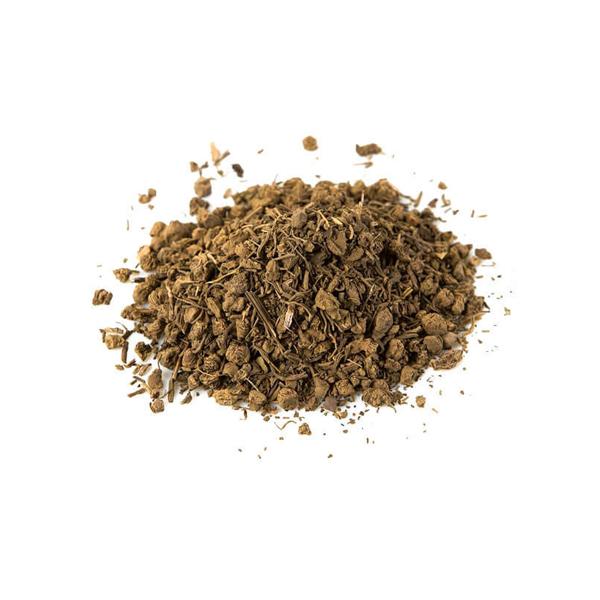
가격: 요청 시
In recent years, the global demand for motherwort seeds has experienced a significant surge, driven by the increasing popularity of natural remedies and the growing interest in traditional herbal medicine. This hardy perennial, scientifically known as Leonurus cardiaca, has captured the attention of herb farmers, botanical suppliers, pharmaceutical companies, and alternative medicine practitioners alike.
The wholesale market for motherwort seeds has expanded rapidly, with major growth observed in North America, Europe, and Asia. This trend is largely attributed to the plant's diverse applications in herbal medicine, particularly for its potential benefits in cardiovascular health and women's wellness.
For instance, a recent market analysis revealed a 15% year-over-year increase in motherwort seed sales, with projections indicating sustained growth over the next five years. This upward trajectory presents lucrative opportunities for suppliers and cultivators who can meet the stringent quality standards demanded by the industry.
Mastering Motherwort Cultivation: Techniques for Premium Seed Production
Successful cultivation of high-quality motherwort seeds requires a deep understanding of the plant's growth requirements and optimal environmental conditions. Here are key factors to consider:
-
Soil Preparation: Motherwort thrives in well-drained, fertile soil with a pH range of 6.5 to 7.5. Incorporate organic matter to improve soil structure and nutrient content.
-
Planting: Sow seeds directly in the field in early spring or late fall. Space rows 60-70 cm apart, with plants 30-40 cm within rows.
-
Irrigation: While motherwort is relatively drought-tolerant, consistent moisture during the growing season ensures optimal seed development. Implement a drip irrigation system for efficient water management.
-
Fertilization: Apply a balanced, organic fertilizer at planting and mid-season. Avoid excessive nitrogen, which can promote leafy growth at the expense of seed production.
-
Pest and Disease Management: Implement integrated pest management strategies to control common issues like powdery mildew and leaf spot. Encourage beneficial insects to maintain a healthy ecosystem.
-
Pollination: Ensure adequate pollinator presence by planting companion flowers or maintaining beehives nearby to maximize seed set.
By adhering to these cultivation practices, growers can produce high-quality motherwort seeds that meet the exacting standards of the wholesale market.
Harvesting Excellence: Optimal Techniques for Motherwort Seed Collection
The timing and method of harvest play crucial roles in determining the quality and viability of motherwort seeds. Follow these best practices to ensure a superior harvest:
-
Harvest Timing: Monitor seed maturity closely. The optimal time for harvest is when the seeds turn from green to brown, but before they fully dry and disperse.
-
Harvesting Methods:
-
Hand harvesting: Ideal for small-scale operations or when targeting specific plant sections.
-
Mechanical harvesting: Suitable for large-scale production, using specialized seed harvesting equipment.
-
-
Post-Harvest Handling: Immediately after harvest, spread the seed heads on clean, dry surfaces in a well-ventilated area to prevent moisture accumulation and potential mold growth.
-
Seed Cleaning: Use appropriate cleaning equipment such as air-screen cleaners or gravity separators to remove chaff, debris, and immature seeds.
-
Drying: Gently dry the seeds to a moisture content of 8-10% for optimal storage stability. Use low-temperature drying methods to preserve seed viability.
-
Seed Testing: Conduct germination and purity tests to ensure the harvested seeds meet industry standards.
By implementing these harvesting and processing techniques, suppliers can consistently deliver high-quality motherwort seeds to the wholesale market.
Ensuring Excellence: Quality Control and Certification in Motherwort Seed Production
In the competitive wholesale market, maintaining stringent quality control measures and obtaining relevant certifications are paramount. Consider the following aspects:
-
Quality Control Protocols:
-
Implement rigorous testing for seed viability, purity, and genetic authenticity.
-
Establish clear documentation procedures for traceability from cultivation to packaging.
-
Conduct regular audits of production facilities and processes.
-
-
Certifications:
-
Organic Certification: Pursue organic certification to tap into the growing market for organic herbal products.
-
Good Agricultural and Collection Practices (GACP): Adhere to GACP guidelines to ensure the quality and safety of medicinal plant materials.
-
ISO 9001: Implement a quality management system to demonstrate commitment to consistent quality.
-
-
Genetic Purity: Maintain strict isolation distances between different varieties to prevent cross-pollination and ensure genetic integrity.
-
Contaminant Testing: Regularly test for potential contaminants such as heavy metals, pesticide residues, and microbial contamination.
-
Seed Lot Management: Implement a robust seed lot tracking system to facilitate recalls if necessary and maintain product integrity.
By prioritizing quality control and obtaining relevant certifications, suppliers can differentiate themselves in the market and build trust with discerning buyers.
Preserving Potency: Storage and Transportation Strategies for Motherwort Seeds
Proper storage and transportation are critical to maintaining the viability and medicinal potency of motherwort seeds. Implement these best practices:
-
Storage Conditions:
-
Temperature: Store seeds at a consistent temperature between 10-15°C (50-59°F).
-
Humidity: Maintain relative humidity below 40% to prevent moisture absorption.
-
Light: Store seeds in light-proof containers to protect them from degradation.
-
-
Packaging Materials:
-
Use moisture-resistant, airtight containers such as foil-lined bags or sealed plastic drums.
-
Include desiccant packets to absorb any residual moisture.
-
-
Inventory Management:
-
Implement a first-in, first-out (FIFO) system to ensure proper stock rotation.
-
Regularly monitor seed viability and discard outdated stock.
-
-
Transportation Considerations:
-
Use climate-controlled vehicles for long-distance transportation.
-
Minimize exposure to temperature fluctuations and vibrations during transit.
-
Ensure proper labeling and documentation to comply with regulatory requirements.
-
-
Quality Checks:
-
Conduct pre-shipment and post-arrival quality checks to verify seed integrity.
-
Provide clear handling instructions to customers to maintain seed quality after delivery.
-
By implementing these storage and transportation strategies, suppliers can ensure that motherwort seeds reach customers in optimal condition, preserving their medicinal properties and germination potential.
Harnessing Nature's Remedy: Medicinal Properties and Applications of Motherwort
Motherwort's long-standing use in traditional medicine systems has sparked renewed interest in its potential therapeutic applications. Understanding these properties is crucial for suppliers to effectively market their products:
-
Cardiovascular Health:
-
Motherwort contains leonurine, a compound shown to have potential cardioprotective effects.
-
Studies suggest it may help regulate heart rhythm and improve blood flow.
-
-
Women's Health:
-
Traditionally used to support menstrual health and alleviate menopausal symptoms.
-
May have mild sedative properties, potentially beneficial for stress-related conditions.
-
-
Anxiolytic Properties:
-
Research indicates potential anxiolytic effects, making it of interest in natural anxiety management.
-
-
Antioxidant Activity:
-
Rich in flavonoids and other antioxidants, contributing to its potential health-promoting properties.
-
-
Digestive Support:
-
Traditionally used to aid digestion and alleviate gastrointestinal discomfort.
-
-
Potential Drug Interactions:
-
Caution advised when used concurrently with certain medications, particularly those affecting heart rhythm or blood pressure.
-
As research in this field continues to evolve, suppliers should stay informed about the latest scientific findings to provide accurate information to their customers and identify new market opportunities.
The Future of Motherwort: Trends and Opportunities in the Wholesale Seed Market
As we look to the future, several trends are shaping the motherwort seeds wholesale market:
-
Increased Demand for Organic Products: The growing preference for organic herbal products is driving demand for certified organic motherwort seeds.
-
Technological Advancements: Innovations in seed breeding and processing technologies are improving seed quality and production efficiency.
-
Expansion of Traditional Medicine: The global resurgence of interest in traditional medicine systems is opening new markets for motherwort seeds.
-
Sustainability Focus: Consumers and regulatory bodies are placing greater emphasis on sustainable cultivation practices, creating opportunities for eco-conscious suppliers.
-
Research and Development: Ongoing scientific research into motherwort's medicinal properties may uncover new applications, potentially expanding market opportunities.
-
Regulatory Changes: Evolving regulations in the herbal supplement industry may impact production standards and market access.
-
E-commerce Growth: The rise of online platforms is facilitating direct connections between wholesale suppliers and global buyers.
To capitalize on these trends, suppliers should:
-
Invest in organic certification and sustainable practices
-
Explore partnerships with research institutions to stay at the forefront of scientific developments
-
Diversify product offerings to cater to various market segments
-
Enhance online presence and digital marketing strategies
By staying attuned to these market dynamics and adapting strategies accordingly, motherwort seed suppliers can position themselves for long-term success in this growing industry.
