


가격: 요청 시
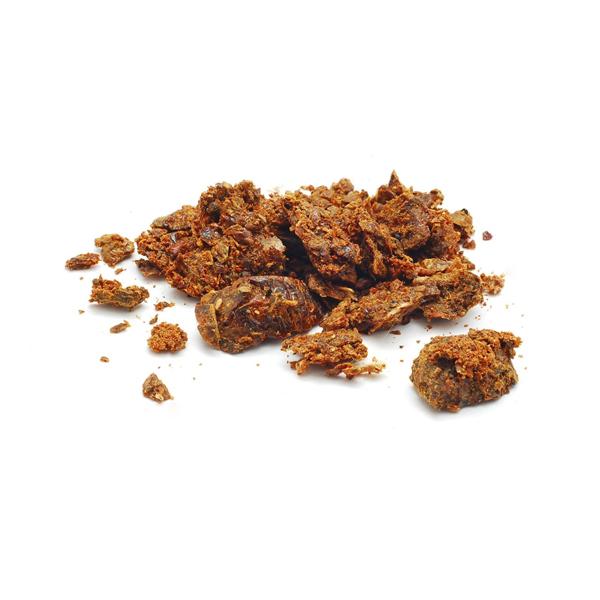
Propolis, often referred to as "bee glue," has been a subject of fascination for centuries due to its remarkable properties and diverse applications. This resinous mixture, produced by bees to build and maintain their hives, has found its way into various industries, from pharmaceuticals to cosmetics. As the global demand for natural and health-promoting products continues to rise, the propolis wholesale market has experienced significant growth and evolution.
In this comprehensive technical article, we will delve deep into the intricacies of the propolis wholesale industry, exploring market trends, quality standards, production processes, and the global supply chain. Whether you're a beekeeper looking to expand your operations, a pharmaceutical company seeking high-quality raw materials, or a health food retailer aiming to diversify your product line, this guide will provide valuable insights into the world of propolis wholesale.
Global Market Trends in Propolis Industry
The propolis market has witnessed substantial growth in recent years, driven by increasing consumer awareness of its health benefits and a growing preference for natural products. Let's examine the key trends shaping the industry:
Market Size and Growth Projections
The global propolis market was valued at approximately $610 million in 2020 and is projected to reach $910 million by 2027, growing at a CAGR of 5.9% during the forecast period. This robust growth is attributed to several factors, including:
-
Rising demand for natural health supplements
-
Increasing applications in the pharmaceutical and cosmetic industries
-
Growing awareness of propolis' antimicrobial and antioxidant properties
Regional Market Dynamics
While propolis production and consumption occur globally, certain regions have emerged as key players in the wholesale market:
-
Asia Pacific: Leads the market in terms of production and consumption, with China being the largest producer and exporter of propolis.
-
Europe: Demonstrates a strong demand for high-quality propolis, particularly in the pharmaceutical and nutraceutical sectors.
-
North America: Experiencing rapid growth in propolis consumption, driven by the increasing popularity of natural health products.
-
South America: Brazil, in particular, is known for its high-quality green propolis, which commands premium prices in the global market.
Product Innovations and Diversification
The propolis wholesale market is witnessing a trend towards product diversification and value-added offerings:
-
Propolis extracts: Concentrated forms of propolis are gaining popularity due to their ease of use in various applications.
-
Standardized propolis: Products with guaranteed levels of bioactive compounds are in high demand, especially in the pharmaceutical industry.
-
Organic and raw propolis: There's a growing market for minimally processed, organic propolis among health-conscious consumers.
Quality Standards and Certifications for Propolis
Ensuring the quality and authenticity of propolis is crucial for maintaining consumer trust and meeting regulatory requirements. The propolis wholesale industry adheres to various quality standards and certifications:
Chemical Composition Standards
The quality of propolis is primarily determined by its chemical composition, which can vary depending on the geographical origin and plant sources. Key components include:
-
Flavonoids (e.g., quercetin, kaempferol)
-
Phenolic acids (e.g., caffeic acid, ferulic acid)
-
Terpenes
-
Aromatic compounds
Industry standards typically require a minimum content of flavonoids and phenolic compounds, often expressed as a percentage of the total mass.
International Quality Standards
Several international standards govern the quality of propolis in the wholesale market:
-
ISO 12824:2016: Specifies requirements for raw propolis used as a primary product or ingredient in the food and cosmetic industries.
-
Codex Alimentarius: Provides guidelines for the use of propolis in food products.
-
European Pharmacopoeia: Outlines quality standards for propolis used in pharmaceutical preparations.
Certifications and Testing Methods
To ensure compliance with quality standards, propolis undergoes various testing and certification processes:
-
HPLC Analysis: High-Performance Liquid Chromatography is used to quantify specific bioactive compounds.
-
GC-MS: Gas Chromatography-Mass Spectrometry helps identify volatile compounds and assess purity.
-
Microbial Testing: Ensures the absence of harmful microorganisms.
-
Organic Certification: Verifies that the propolis is produced without synthetic chemicals or pesticides.
Traceability and Documentation
Wholesale propolis suppliers are increasingly required to provide comprehensive documentation, including:
-
Certificate of Analysis (CoA)
-
Country of Origin Certificate
-
Organic Certification (if applicable)
-
Non-GMO Certification (if applicable)
This documentation ensures transparency and traceability throughout the supply chain.
Propolis Production Process: From Hive to Wholesale
Understanding the production process is essential for wholesalers and buyers to appreciate the value and complexities involved in bringing propolis to market.
Collection Methods
Propolis is collected from beehives using various techniques:
-
Scraping: Manually removing propolis from hive components.
-
Propolis Traps: Specialized devices placed in hives to encourage bees to deposit propolis.
-
Propolis Nets: Fine mesh placed over the hive, which bees fill with propolis.
The choice of collection method can impact the quality and purity of the propolis.
Raw Propolis Processing
Once collected, raw propolis undergoes several processing steps:
-
Cleaning: Removal of impurities such as wood fragments and bee parts.
-
Grinding: Reducing propolis to a fine powder to increase surface area for extraction.
-
Extraction: Using solvents (typically ethanol) to extract bioactive compounds.
-
Filtration: Removing insoluble particles from the extract.
-
Solvent Removal: Evaporating the solvent to obtain a concentrated propolis extract.
Quality Control Measures
Throughout the production process, several quality control measures are implemented:
-
Raw Material Inspection: Assessing the quality of propolis before processing.
-
In-Process Testing: Monitoring key parameters during extraction and concentration.
-
Final Product Analysis: Verifying the composition and purity of the finished product.
Packaging and Storage
Proper packaging and storage are crucial for maintaining the quality of propolis:
-
Light-Resistant Containers: Protect propolis from degradation due to light exposure.
-
Temperature Control: Store at cool temperatures to preserve bioactive compounds.
-
Moisture Control: Prevent water absorption, which can lead to microbial growth.
The Global Propolis Supply Chain
The propolis wholesale market operates within a complex global supply chain, involving multiple stakeholders and logistical challenges.
Key Players in the Supply Chain
-
Beekeepers and Propolis Collectors: The primary source of raw propolis.
-
Processors and Extractors: Convert raw propolis into standardized extracts or powders.
-
Wholesalers and Distributors: Connect producers with end-users across different industries.
-
Quality Control and Testing Laboratories: Ensure compliance with quality standards.
-
Regulatory Bodies: Oversee safety and quality standards in different regions.
Sourcing Strategies
Wholesalers employ various strategies to secure high-quality propolis:
-
Direct Sourcing: Establishing relationships with beekeepers and propolis collectors.
-
Contract Farming: Partnering with beekeepers to ensure a consistent supply of propolis.
-
Global Sourcing: Diversifying suppliers across different geographical regions to mitigate supply risks.
Logistics and Transportation
The transportation of propolis presents unique challenges:
-
Temperature Control: Maintaining optimal conditions to preserve propolis quality during transit.
-
Customs Regulations: Navigating import/export requirements for propolis in different countries.
-
Documentation: Ensuring all necessary certifications and analyses accompany shipments.
Market Dynamics and Pricing Factors
Several factors influence propolis pricing in the wholesale market:
-
Geographical Origin: Certain types of propolis (e.g., Brazilian green propolis) command premium prices.
-
Quality and Standardization: Higher levels of bioactive compounds typically correlate with higher prices.
-
Supply and Demand Fluctuations: Seasonal variations in propolis production can impact pricing.
-
Processing Level: Raw propolis vs. standardized extracts or powders.
Health Benefits and Applications of Propolis
Understanding the diverse applications and health benefits of propolis is crucial for wholesalers to target appropriate markets and end-users.
Therapeutic Properties
Propolis exhibits a wide range of biological activities, including:
-
Antimicrobial: Effective against bacteria, fungi, and some viruses.
-
Anti-inflammatory: Helps reduce inflammation in various tissues.
-
Antioxidant: Protects cells from oxidative stress and free radical damage.
-
Immunomodulatory: Enhances immune system function.
Applications in Various Industries
Pharmaceutical Industry
-
Wound Healing: Propolis-based ointments and dressings.
-
Oral Health: Mouthwashes and toothpaste formulations.
-
Respiratory Health: Throat sprays and lozenges.
Nutraceutical and Dietary Supplements
-
Immune Support Supplements: Capsules and liquid extracts.
-
Antioxidant Formulations: Combination products with other natural antioxidants.
Cosmetics and Personal Care
-
Anti-Aging Products: Creams and serums leveraging propolis' antioxidant properties.
-
Natural Preservatives: Utilizing propolis' antimicrobial activity in cosmetic formulations.
Food and Beverage Industry
-
Functional Foods: Incorporation into health-promoting food products.
-
Natural Food Preservatives: Extending shelf life of perishable products.
Emerging Research and Potential Applications
Ongoing research continues to uncover new potential applications for propolis:
-
Cancer Research: Investigating propolis compounds for anti-tumor properties.
-
Nanoparticle Delivery Systems: Utilizing propolis in advanced drug delivery technologies.
-
Agricultural Applications: Exploring propolis as a natural pesticide and plant growth promoter.
Future Outlook for the Propolis Wholesale Market
As we look to the future, several trends and factors are likely to shape the propolis wholesale market:
Technological Advancements
-
Improved Extraction Techniques: Developing more efficient methods to isolate and concentrate bioactive compounds.
-
Standardization Technologies: Enhancing the ability to produce consistent, high-quality propolis products.
-
Blockchain Integration: Implementing blockchain technology for improved traceability and transparency in the supply chain.
Regulatory Landscape
-
Harmonization of Standards: Efforts to establish globally recognized quality standards for propolis.
-
Novel Food Regulations: Potential changes in regulatory status, particularly in markets like the EU.
-
Sustainability Certifications: Increasing emphasis on environmentally friendly and sustainable propolis production.
Market Expansion and New Opportunities
-
Emerging Markets: Growing demand in developing countries as awareness of propolis benefits increases.
-
E-commerce Growth: Expansion of online wholesale platforms facilitating global trade in propolis.
-
Personalized Nutrition: Potential for propolis-based products tailored to individual health needs.
Challenges and Considerations
-
Climate Change Impact: Potential effects on bee populations and propolis production.
-
Quality Control in a Growing Market: Maintaining high standards as the market expands.
-
Competition from Synthetic Alternatives: Development of lab-created compounds mimicking propolis benefits.
In conclusion, the propolis wholesale market presents significant opportunities for stakeholders across various industries. By understanding market trends, adhering to quality standards, optimizing production processes, and navigating the global supply chain effectively, businesses can position themselves for success in this dynamic and growing market. As research continues to uncover new applications and benefits of propolis, the future of this remarkable bee product looks increasingly promising.
