


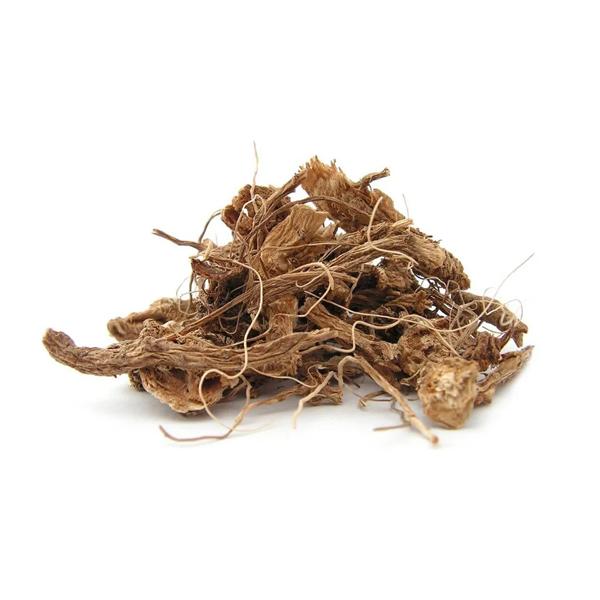
가격: 요청 시
In the vast fields of agricultural commerce, a new star is rising – sunflower roots. Once overlooked, these underground treasures are now capturing the attention of farmers, food industry professionals, and health enthusiasts alike. This article delves deep into the world of sunflower roots wholesale, unearthing the secrets of their cultivation, market potential, and nutritional prowess.
Cultivating Success: Mastering Sunflower Root Production
The journey of sunflower roots from soil to market begins with expert cultivation. Successful production requires a delicate balance of soil conditions, water management, and timing.
Soil Preparation: The Foundation of Healthy Roots
Sunflowers thrive in well-drained, nutrient-rich soils. Before planting, it's crucial to:
-
Conduct soil tests to determine pH levels (ideally between 6.0 and 7.5)
-
Incorporate organic matter to improve soil structure
-
Ensure proper drainage to prevent waterlogging
Planting Techniques for Optimal Root Development
To maximize root yield, consider these planting strategies:
-
Timing: Plant in early spring when soil temperatures reach 50°F (10°C)
-
Spacing: Allow 6-12 inches between plants to encourage robust root systems
-
Depth: Sow seeds 1-2 inches deep for optimal germination
Nurturing Growth: Water and Nutrient Management
Consistent care throughout the growing season is essential:
-
Implement a regular watering schedule, ensuring 1-1.5 inches of water per week
-
Apply balanced fertilizers rich in phosphorus to promote root development
-
Monitor for pests and diseases, addressing issues promptly to protect root health
Harvesting: The Art of Timing and Technique
The harvest is a critical moment in the production cycle:
-
Timing: Harvest roots when the plant reaches maturity, typically 90-120 days after planting
-
Technique: Carefully dig around the plant to extract the entire root system
-
Post-harvest handling: Clean roots gently and store in cool, dry conditions to maintain quality
Nature's Hidden Treasure: Nutritional Profile of Sunflower Roots
Sunflower roots are more than just a byproduct – they're a nutritional powerhouse waiting to be tapped.
Macro and Micronutrients
Sunflower roots boast an impressive nutritional profile:
-
Fiber: High in inulin, a prebiotic fiber that supports digestive health
-
Protein: Contains essential amino acids, making it a valuable plant-based protein source
-
Vitamins: Rich in B-complex vitamins, particularly thiamine and niacin
-
Minerals: Excellent source of potassium, iron, and magnesium
Potential Health Benefits
Research suggests sunflower roots may offer:
-
Improved gut health due to prebiotic fiber content
-
Support for cardiovascular health through potassium and magnesium
-
Potential anti-inflammatory properties
Culinary Applications
Innovative chefs and food manufacturers are exploring sunflower roots in:
-
Roasted vegetable medleys
-
Gluten-free flour alternatives
-
Nutritional supplements and powders
Market Dynamics: Understanding Demand and Trends
The sunflower roots wholesale market is experiencing a surge in interest, driven by several key factors.
Growing Demand Sectors
-
Health Food Industry: Increasing consumer interest in novel, nutrient-dense ingredients
-
Plant-Based Products: Rising demand for diverse plant proteins and fibers
-
Functional Foods: Incorporation into products targeting specific health benefits
Market Size and Growth Projections
While specific data on sunflower roots is limited, the broader market for alternative root vegetables shows promising growth:
-
Global root vegetable market expected to reach $45 billion by 2025
-
Compound Annual Growth Rate (CAGR) of 4.2% from 2020-2025
Regional Market Variations
-
North America: Leading in functional food applications
-
Europe: Strong demand in organic and health food sectors
-
Asia-Pacific: Emerging market with growing interest in novel ingredients
From Field to Fork: Supply Chain and Distribution
Efficient supply chain management is crucial for maintaining the quality and value of sunflower roots.
Harvesting and Initial Processing
-
Implement gentle harvesting techniques to minimize root damage
-
Clean and sort roots based on size and quality
-
Utilize cold storage facilities to extend shelf life
Transportation Considerations
-
Use temperature-controlled vehicles to maintain freshness
-
Implement proper packaging to prevent bruising and moisture loss
-
Optimize routes to reduce transit time and maintain quality
Distribution Channels
-
Direct to Manufacturers: Supply to food processors and supplement producers
-
Wholesale Markets: Distribute through agricultural commodity markets
-
Specialty Distributors: Partner with health food and organic product distributors
Challenges in Supply Chain Management
-
Maintaining consistent quality across harvests
-
Managing seasonality and supply fluctuations
-
Ensuring traceability and meeting food safety standards
Preserving Quality: Storage and Handling Best Practices
Proper storage is essential for maintaining the nutritional value and marketability of sunflower roots.
Optimal Storage Conditions
-
Temperature: Store at 32-36°F (0-2°C)
-
Humidity: Maintain relative humidity between 95-98%
-
Ventilation: Ensure proper air circulation to prevent mold growth
Quality Control Measures
-
Implement regular inspections for signs of decay or damage
-
Use ethylene absorbers to slow the ripening process
-
Rotate stock to ensure first-in, first-out (FIFO) inventory management
Packaging Innovations
-
Develop breathable packaging to regulate moisture levels
-
Explore modified atmosphere packaging to extend shelf life
-
Implement eco-friendly packaging solutions to appeal to environmentally conscious buyers
The Future of Sunflower Roots: Innovations and Opportunities
As the sunflower roots wholesale market continues to evolve, several exciting developments are on the horizon.
Emerging Research and Development
-
Genetic Improvements: Developing varieties with enhanced nutritional profiles and yield potential
-
Processing Technologies: Exploring new methods to extract and preserve beneficial compounds
-
Sustainable Farming Practices: Implementing regenerative agriculture techniques for sunflower root production
Market Expansion Opportunities
-
Functional Beverages: Incorporation into health drinks and smoothies
-
Nutraceuticals: Development of targeted supplements leveraging sunflower root benefits
-
Pet Food Industry: Exploring applications in premium, natural pet food formulations
Challenges and Considerations
-
Consumer Education: Increasing awareness of sunflower roots' benefits and uses
-
Regulatory Landscape: Navigating food safety and labeling requirements for novel ingredients
-
Scalability: Addressing challenges in scaling production to meet growing demand
Conclusion: Nurturing the Growth of Sunflower Roots Wholesale
The sunflower roots wholesale market stands at the cusp of significant growth, offering a unique blend of nutritional benefits, culinary versatility, and market potential. As we continue to unearth the possibilities of this underground treasure, the future looks bright for sunflower roots in the agricultural and food industries.
For farmers, food manufacturers, and health-conscious consumers alike, sunflower roots represent an exciting frontier in sustainable, nutritious food production. By embracing innovation, maintaining quality standards, and fostering consumer awareness, the sunflower roots wholesale market is poised to flourish, bringing a new dimension to the world of root vegetables and functional foods.
As we look to the future, one thing is clear: the humble sunflower root has the potential to cast a long shadow in the world of agriculture and nutrition, promising a harvest of opportunities for those ready to dig deep and embrace this emerging market.
