


가격: 요청 시
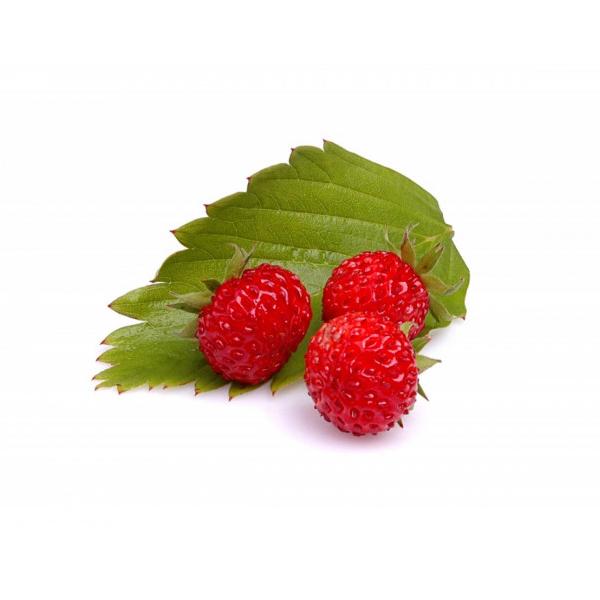
Wild strawberries, scientifically known as Fragaria vesca, have captivated taste buds and imaginations for centuries. These diminutive berries, bursting with intense flavor, have carved out a unique niche in the global fruit market. As demand for these exquisite fruits continues to grow, understanding the intricacies of wild strawberry wholesale has become crucial for industry professionals.
In this technical article, we'll delve deep into the world of wild strawberry wholesale, exploring everything from supply chain management to pricing strategies. Whether you're a wholesale buyer, strawberry farmer, food industry professional, or agricultural researcher, this comprehensive guide will equip you with the knowledge to navigate this specialized market successfully.
Supply Chain Management in Wild Strawberry Distribution
Effective supply chain management is the backbone of successful wild strawberry wholesale operations. The delicate nature of these berries presents unique challenges that require innovative solutions.
Harvesting and Initial Processing
Wild strawberries demand careful handling from the moment they're picked. Unlike their cultivated counterparts, wild strawberries are often harvested by hand to preserve their delicate structure. This labor-intensive process requires skilled workers who can identify ripe berries and handle them gently to avoid bruising.
Immediately after harvesting, the berries undergo initial processing:
-
Sorting: Berries are carefully sorted based on size, color, and quality.
-
Cooling: Rapid cooling to 32°F (0°C) is crucial to maintain freshness and extend shelf life.
-
Packaging: Specialized containers with proper ventilation are used to prevent crushing and moisture accumulation.
Transportation and Storage
The transportation of wild strawberries is a critical phase in the supply chain. Temperature-controlled vehicles, typically set at 32°F (0°C), are essential to maintain berry quality during transit. Real-time temperature monitoring systems are often employed to ensure consistent cooling throughout the journey.
Storage facilities play a pivotal role in preserving wild strawberries:
-
Controlled Atmosphere (CA) Storage: Advanced CA systems can extend the shelf life of wild strawberries by manipulating oxygen, carbon dioxide, and nitrogen levels.
-
Humidity Control: Maintaining relative humidity between 90-95% prevents moisture loss and preserves berry texture.
Distribution Networks
Efficient distribution networks are crucial for delivering wild strawberries to various markets:
-
Hub-and-Spoke Model: This model allows for centralized quality control and efficient redistribution to regional markets.
-
Direct-to-Retailer: For premium wild strawberries, direct shipments to high-end retailers or restaurants can ensure the highest quality and freshness.
Market Trends and Demand Analysis
Understanding market trends and consumer demand is essential for success in the wild strawberry wholesale industry. Recent years have seen significant shifts in consumer preferences and market dynamics.
Growing Demand for Organic and Natural Products
The organic food market has experienced exponential growth, with wild strawberries benefiting from this trend. Consumers are increasingly seeking out natural, unmodified fruits, perceiving them as healthier and more environmentally friendly. This shift has led to:
-
Increased demand for certified organic wild strawberries
-
Premium pricing for sustainably harvested berries
-
Growing interest in wild strawberry-based products (e.g., jams, desserts, beverages)
Seasonal Variations and Global Market Opportunities
Wild strawberries have a relatively short growing season in most regions, typically peaking in late spring to early summer. This seasonality creates both challenges and opportunities:
-
Off-Season Demand: There's a growing market for wild strawberries during off-peak seasons, driving innovations in cultivation and storage techniques.
-
Global Sourcing: Wholesalers are increasingly looking to source wild strawberries from different geographical regions to ensure year-round supply.
-
Value-Added Products: To capitalize on peak harvest periods, many producers are developing preserved wild strawberry products to extend market reach.
Health and Wellness Trends
The perception of wild strawberries as a superfood has gained traction in recent years:
-
Nutritional Profile: Wild strawberries are rich in vitamin C, antioxidants, and other beneficial compounds, aligning with consumer health trends.
-
Functional Foods: Incorporation of wild strawberries into functional foods and dietary supplements is on the rise.
-
Clean Label Movement: The natural, unmodified nature of wild strawberries appeals to consumers seeking "clean label" products.
Quality Control Processes for Wild Strawberries
Maintaining consistent quality is paramount in the wild strawberry wholesale industry. Stringent quality control measures are essential to meet market demands and regulatory requirements.
Pre-Harvest Quality Assurance
Quality control begins in the field:
-
Soil and Water Testing: Regular analysis ensures optimal growing conditions and detects potential contaminants.
-
Pest and Disease Management: Integrated Pest Management (IPM) strategies are employed to minimize chemical interventions while protecting crop quality.
-
Maturity Indicators: Precise measurements of sugar content (Brix levels) and color are used to determine optimal harvest times.
Post-Harvest Quality Control
Once harvested, wild strawberries undergo rigorous quality checks:
-
Visual Inspection: Trained inspectors assess berries for size, color, and any visible defects.
-
Firmness Testing: Specialized equipment measures berry firmness to ensure proper texture and handling resilience.
-
Chemical Analysis: Samples are tested for pesticide residues, nutritional content, and potential contaminants.
Cold Chain Integrity
Maintaining the cold chain is critical for preserving wild strawberry quality:
-
Temperature Logging: Continuous monitoring and recording of temperatures throughout the supply chain.
-
Time-Temperature Indicators (TTIs): These visual indicators on packaging alert handlers to any temperature abuse during transit.
-
Quality Checkpoints: Strategic quality control points are established throughout the distribution process to catch any issues early.
Pricing Strategies in the Wild Strawberry Market
Developing effective pricing strategies is crucial in the competitive wild strawberry wholesale market. Several factors influence pricing decisions:
Cost-Plus Pricing
This traditional approach factors in all costs associated with production, harvesting, and distribution, plus a desired profit margin. However, it's essential to consider market dynamics when using this method:
-
Variable Costs: Labor, transportation, and storage costs can fluctuate significantly.
-
Economies of Scale: Larger operations may benefit from reduced per-unit costs.
-
Seasonal Variations: Costs can vary dramatically based on harvest yields and market demand.
Value-Based Pricing
Given the premium nature of wild strawberries, many wholesalers opt for value-based pricing:
-
Quality Differentiation: Higher quality berries command premium prices.
-
Organic Certification: Certified organic wild strawberries often fetch higher prices due to perceived value and production costs.
-
Specialty Markets: Unique varieties or berries with specific characteristics may command higher prices in niche markets.
Dynamic Pricing Models
Advanced analytics and real-time market data have enabled more sophisticated pricing strategies:
-
Demand-Based Pricing: Prices are adjusted based on current market demand and availability.
-
Predictive Analytics: Historical data and market trends are used to forecast optimal pricing strategies.
-
Competitive Pricing: Real-time monitoring of competitor prices informs pricing decisions.
Technological Advancements in Wild Strawberry Cultivation and Distribution
Technology is revolutionizing the wild strawberry industry, from cultivation to distribution:
Precision Agriculture
Advanced technologies are enhancing wild strawberry cultivation:
-
Drone Mapping: Aerial imaging helps monitor crop health and optimize resource allocation.
-
IoT Sensors: Soil moisture, temperature, and nutrient levels are monitored in real-time.
-
Predictive Modeling: AI-driven models help forecast yields and potential issues.
Blockchain in Supply Chain Management
Blockchain technology is being adopted to enhance transparency and traceability:
-
Product Origin Verification: Consumers can trace the journey of their wild strawberries from field to table.
-
Quality Assurance: Immutable records of quality control checks throughout the supply chain.
-
Smart Contracts: Automated payments and contract fulfillment based on predefined conditions.
Advanced Packaging Solutions
Innovations in packaging are extending shelf life and reducing waste:
-
Modified Atmosphere Packaging (MAP): Customized gas mixtures in packaging extend freshness.
-
Edible Coatings: Natural, edible films protect berries and reduce moisture loss.
-
Smart Packaging: Indicators on packaging provide real-time information on product freshness.
Challenges and Opportunities in Wild Strawberry Wholesale
The wild strawberry wholesale industry faces unique challenges but also presents exciting opportunities:
Challenges
-
Climate Change: Shifting weather patterns affect growing regions and harvest times.
-
Labor Shortages: The labor-intensive nature of wild strawberry harvesting poses ongoing challenges.
-
Market Volatility: Prices can fluctuate dramatically due to supply and demand imbalances.
Opportunities
-
Vertical Integration: Some wholesalers are investing in cultivation to ensure supply and quality control.
-
Product Diversification: Value-added products like freeze-dried wild strawberries are opening new markets.
-
Agritourism: Some producers are capitalizing on the appeal of wild strawberries to develop agritourism experiences.
Future Outlook for the Wild Strawberry Industry
The wild strawberry wholesale industry is poised for continued growth and innovation:
-
Sustainable Practices: Increasing focus on environmentally friendly cultivation and distribution methods.
-
Genetic Research: Efforts to develop wild strawberry varieties with enhanced flavor profiles and resilience.
-
Global Market Expansion: Growing interest in wild strawberries in emerging markets presents new opportunities.
As we look to the future, the wild strawberry wholesale industry stands at the intersection of tradition and innovation. By embracing technological advancements, responding to market trends, and maintaining a commitment to quality, industry professionals can navigate the challenges and capitalize on the opportunities in this dynamic market.
The allure of wild strawberries, with their intense flavor and natural appeal, ensures a bright future for those who can master the intricacies of this unique wholesale market. As consumer preferences continue to evolve towards natural, flavorful, and sustainably produced foods, wild strawberries are well-positioned to remain a highly sought-after commodity in the global fruit market.
